

Whole Home Surge Protection During a Renovation
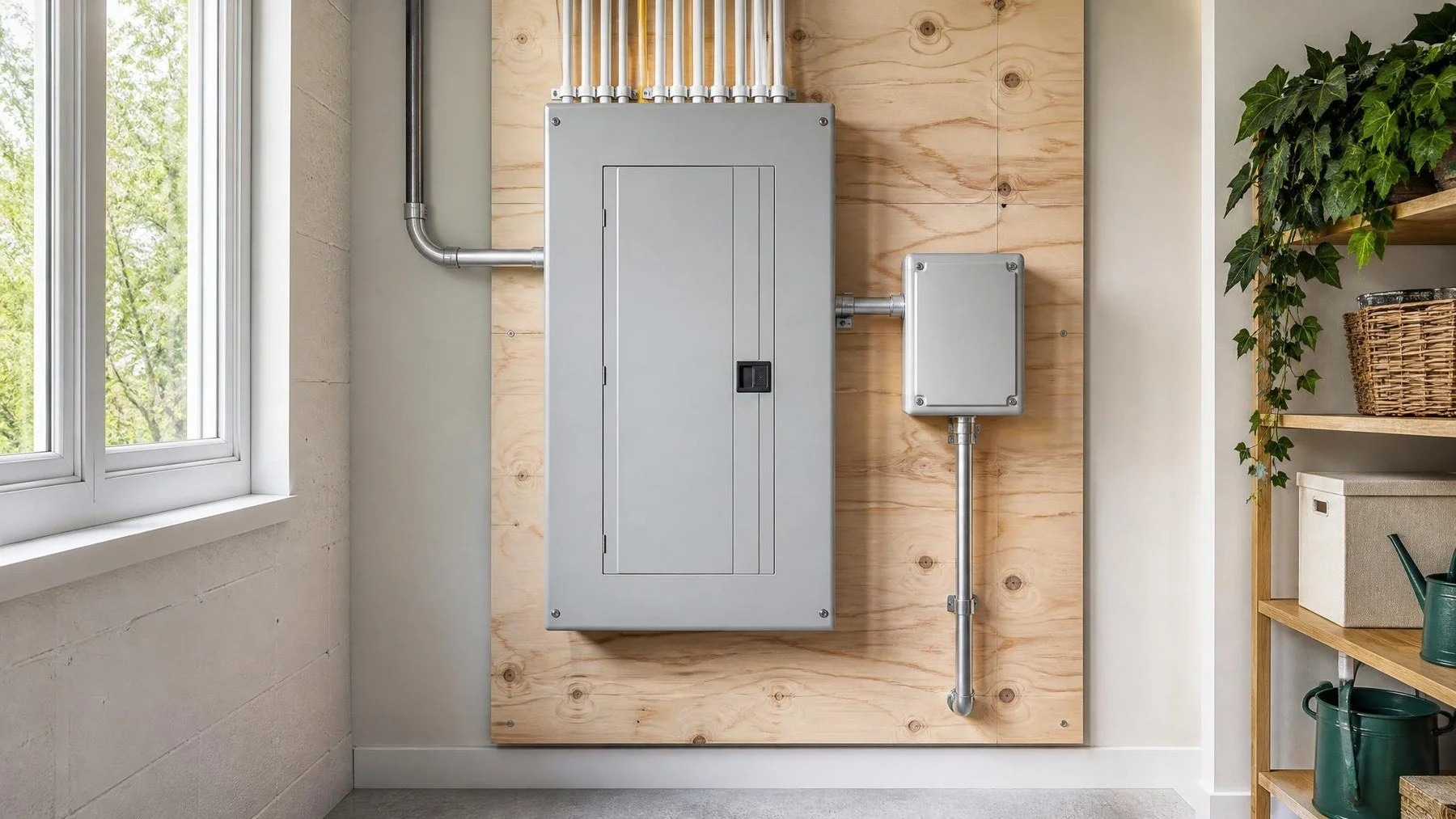
A whole home surge protective device may install inside the electrical panel or in a separate enclosure beside it, depending on the panel and the selected device.
A renovation fills your home with electronics. An induction range, a dishwasher, a heat pump, an EV charger, smart thermostats and home office equipment all add electronics that stay connected to your wiring throughout the day.
Whole home surge protection adds a device at your electrical panel that limits voltage spikes before they reach those circuits. One of the most convenient times to add it is while panel work is already included in the renovation. That matters in Toronto and across the GTA, where many renovations take place in older homes with panels and grounding installed long before today's electronics.
This guide explains what a whole home surge device does, the checks that are safe for you to make, what affects the price, and who can install one in Ontario.
What Whole Home Surge Protection Does
The Electrical Safety Authority describes a power surge as an unexpected increase in current or voltage in an electrical circuit. ESA warns that a surge can damage electrical equipment in ways that create electrical safety hazards.
Where Surges Start
Some surges come from outside, such as lightning or switching on the utility system. Others start inside your home when motors in furnaces, air conditioners, and pumps turn on and off. Repeated small voltage spikes can wear down sensitive electronics over time, even when no single spike does visible harm.
How a Panel Mounted Device Works
A whole home SPD connects at or beside your main panel. When a transient voltage rises above the device's operating threshold, the SPD limits, or clamps, the voltage and redirects surge current away from connected equipment. Because it works at the panel, it covers hardwired equipment you cannot plug into a power bar, such as a range, a furnace control board, or a heat pump.
Type 1 and Type 2 Devices
Surge devices are grouped by where they install. Leviton's surge protection guide describes Type 1 devices as installed before or at the main breaker panel to handle external surges such as lightning and utility switching. Type 2 devices mount on the load side of the panel and handle leftover lightning energy and surges from motors inside the home. Type 3 devices sit at the equipment, such as a surge protected power bar.
What It Leaves to Other Protection
A surge device has one job. It does not fix loose wiring, replace a worn breaker, or add capacity. A sound panel, good grounding, and the right breakers still do their own work.
A whole home surge protective device can reduce voltage spikes from nearby lightning, but it cannot guarantee protection against a direct lightning strike. Direct strike protection needs a properly designed lightning protection system in addition to surge protection.
Why a Renovation Is a Good Time to Decide
During a renovation, the electrician is already on site, the panel is already in the scope, and you already know which equipment is coming.
Your Equipment List Sets the Priority
List every electronic item the renovation adds or replaces, then mark the hardwired ones, such as the furnace, heat pump, range, and EV charger. Those rely on the panel device because a power bar cannot reach them.
Coordinate It With Other Panel Work
If the renovation includes new circuits, a subpanel, or a panel change, put the surge device in the same plan. The electrician can reserve breaker space or the mounting location required by the selected device, then label it in the new directory. We list whole home surge protection with our panel and service work on our residential electrical services page. If the renovation may push your panel past its limits, start with our electrical panel upgrade page, because a surge device adds no capacity.
Check the Panel Before You Add Protection
A surge device depends on a healthy panel and solid grounding. A corroded, damaged, or overloaded panel needs repair first.
Ontario data puts this in context. ESA's 2024 Ontario Electrical Safety Report found fires linked to electrical distribution equipment, such as panels and breakers, fell 18 percent between 2019 and 2023.
“The OESR gives us a roadmap. It tells us where the risks are increasing and where progress is being made.”
Patience Cathcart, ESA Public Safety Officer
Safe Checks You Can Make Without Touching the Panel
- Without touching the panel, look for discolouration, melting, corrosion, water staining or other visible damage.
- Report unusual heat, odours, buzzing or crackling to a Licensed Electrical Contractor.
- Count how often breakers trip in a normal month.
- Note which appliances reset their clocks or reboot during storms.
- Note the rooms where lights dim when a large appliance starts.
- Take a photo of the closed panel for your electrician.
Those notes help your electrician scope the job before the first visit. For a wider list of warning signs, see our electrical safety checklist for older homes.
When to Stop and Call an Electrician
Stop using the affected circuit and call a licensed electrician if you notice a burning smell near the panel, buzzing that does not stop, a breaker that trips again right after you reset it, or lights that brighten and dim across the whole house. Do not remove the panel cover to look for the cause. If you see smoke or flames, leave the house and call 911.
How Panel and Power Bar Protection Work Together
The panel device reduces a large spike to a smaller one. A surge protected power bar at the TV, computer, or router trims what is left. ESA advises homeowners to use an approved power bar with surge protection rather than overloading outlets with cords.
Buy only approved products. ESA states that an electrical product must carry a recognized certification mark before anyone uses, sells, or installs it in Ontario, and that installing unapproved equipment is against the law. Check for the mark on the product and packaging before you buy online.
After a Storm or Power Surge
Check What You Can Safely Reach
After storms across southern Ontario in 2026, ESA asked homeowners to check for hidden electrical damage even if the power never went out. From the ground, look for a service mast pulled away from the wall or wires sagging where they meet the house. Inside, press the test button on GFCI outlets, smoke alarms, and carbon monoxide alarms, because ESA notes you cannot spot surge damage by looking. Check the status light on your surge device against the maker's instructions.
Damage That Needs a Licensed Electrician
Call for an inspection if an appliance smells burnt, a breaker will not reset, outlets or switches feel warm, lights flicker in several rooms, or the surge device light has changed. ESA reminds homeowners that if you hire someone for electrical repairs, the law requires a Licensed Electrical Contractor who takes out a notification for the work.
What Affects the Price of Whole Home Surge Protection
In Toronto, the cost depends on the device, panel compatibility, available breaker space, grounding and whether installation is combined with other electrical work. The main factors are:
- The device you choose, including its type and rating.
- The condition of your panel and any repairs it needs first.
- Whether the panel has breaker space or room to mount the device.
- Any grounding or bonding work needed to bring the system up to standard.
- How your service is set up, including the meter and main disconnect.
- Whether the device is bundled with a panel upgrade or other renovation work.
Ask for surge protection as its own line, with the make and model, the mounting location, and who files the ESA notification. Contact Kolji Bros. Electrical for an assessment and written quote.
Who Can Install a Surge Protective Device in Ontario
Hired Work and Homeowner Work
ESA requires almost all electrical work in Ontario to be reported through a notification. If you hire someone to install a whole home surge protective device in Ontario, that person must be a Licensed Electrical Contractor. Homeowners who do their own electrical work in a home they own and live in must file the required ESA notification. Because this installation involves the electrical panel, professional installation is strongly recommended.
How to Confirm Your Contractor
A Licensed Electrical Contractor holds an ECRA/ESA licence number with seven digits. ESA says you should see it on the contractor's truck, business card, and estimate, and you can check it with the ESA contractor lookup. Read the ESA guide to hiring a Licensed Electrical Contractor for red flags, such as a contractor who asks you to get the permit yourself or offers a discount for cash.
Whole Home Surge Protection FAQ
What does a whole home surge protector protect?
It limits voltage spikes on the circuits fed by its panel, including hardwired furnaces, heat pumps, ranges, and EV chargers.
Do I still need surge protected power bars?
Yes. An approved surge protected power bar handles what the panel device lets through at TVs, computers, and routers.
What is the difference between a Type 1 and a Type 2 surge device?
A Type 1 device installs before or at the main breaker panel and handles external surges such as lightning and utility switching. A Type 2 device installs on the load side of the panel and handles leftover surges and surges from motors inside the home.
Can I install a whole home surge protector myself?
If you hire someone to install it in Ontario, that person must be a Licensed Electrical Contractor. Homeowners who do their own electrical work in a home they own and live in must file an ESA notification. Professional installation is recommended.
How long does installation take?
When the panel is in good shape and has room for the device, installation usually fits into one visit, and the power is off for part of it. Panel repairs, grounding work, or a panel upgrade add time. Your electrician confirms the schedule after seeing your panel.
Does every electrical panel support a surge protective device?
Many panels can take one, but the method varies. Some devices install like a breaker made for a specific panel brand and use breaker space, while others mount beside the panel and often still connect through a breaker. A full, damaged, or very old panel may need changes first, and your electrician explains the options.
Does a surge protective device wear out?
Yes. A surge device can wear as it absorbs surges. Many units have a status light that shows whether protection is still active. Check it after storms and call your electrician if it changes or goes dark.
The Bottom Line on Surge Protection During Your Renovation
Your renovation adds equipment that depends on steady power. A whole home surge device at the panel limits the spikes that can shorten its life, as long as the panel and grounding are sound. Decide while the electrical scope is still open, and keep the model and instructions with your renovation records.
Adding new electronics to your renovated home?
Kolji Bros. Electrical reviews your panel, grounding, and equipment list, then tells you in plain English whether whole home surge protection fits your renovation. We serve homeowners across Toronto and the GTA.
Kolji Bros. Electrical is a Licensed Electrical Contractor, ECRA/ESA #7015453.