

Electrical Safety Checklist for Older Toronto Homes
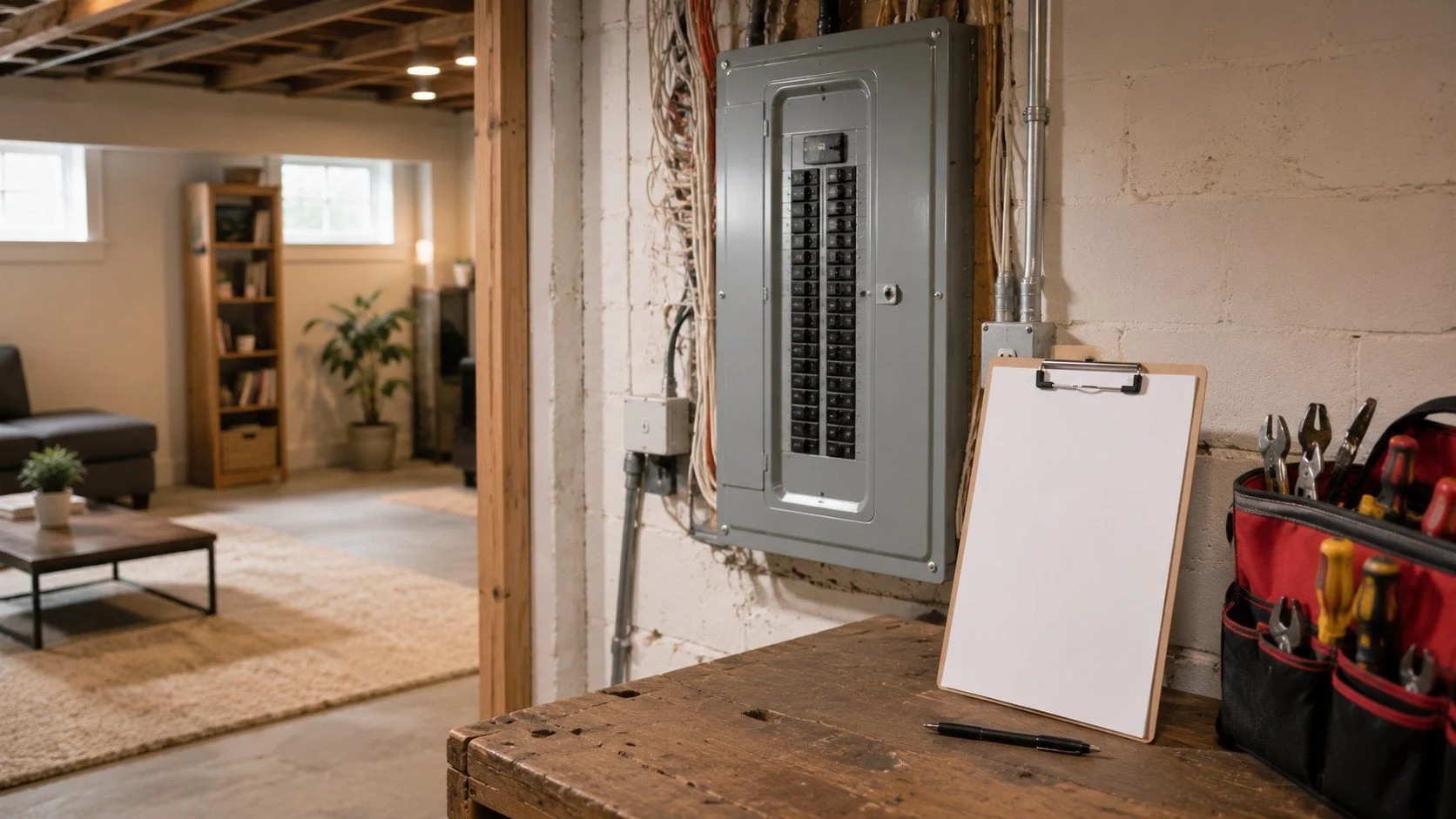
Older Toronto homes have charm that new builds cannot match, but their electrical systems were designed for a much simpler era. If your home is a few decades old or more, it is worth a careful look at the wiring, the panel, and the outlets. This checklist walks through what to watch for and when a finding is worth a call to a licensed electrician.
Start at the panel
Your electrical panel tells you a lot about the state of the system.
- Is it a fuse box rather than breakers? That points to an older, often low capacity service.
- Does it feel warm, buzz, or give off a faint burning smell? Those are reasons to call now.
- Are breakers tripping often, or is the panel full with no spare slots?
- Is the service only 60 or 100 amps while your home runs modern loads?
If several of these apply, a panel upgrade may be the right next step.
Check the wiring type
Older homes often hide outdated wiring. Look for the two main culprits.
Knob and tube
White ceramic knobs and single cloth covered wires in the basement or attic point to knob and tube wiring, which affects both safety and insurance.
Aluminum wiring
Homes from the late 1960s and early 1970s may have aluminum wiring, which needs proper connections and an electrician's assessment.
Walk through the outlets and switches
Room by room, watch for these signs:
- Two prong outlets throughout, which means ungrounded wiring.
- Outlets or switch plates that are warm, cracked, or discoloured.
- Outlets that have stopped working with no clear cause.
- No ground fault outlets near sinks, tubs, or outdoors.
- Reliance on power bars and extension cords because there are too few outlets.
Notice the everyday symptoms
The home often signals trouble through daily behaviour. Lights that flicker or dim, breakers that trip often, and any burning smell are all worth attention. One on its own may be minor. Several together suggest the system is under strain. The Electrical Safety Authority stresses keeping home wiring and equipment in good condition to reduce fire risk. (Attribute to the ESA at esasafe.com; verify any specific figure against the latest report at build time.)
When to call a licensed electrician
Use this simple rule. Anything involving heat, smell, smoke, or sparking is a call now situation. Old wiring types, an aging fuse box, and frequent trips are call soon situations worth a planned inspection. A licensed Electrical Contractor can assess the whole system and tell you what is urgent, what can wait, and what a fix would involve. Kolji Bros Electrical handles residential electrical services across Toronto and the GTA, with a clear written quote on every job.
Frequently asked questions
How often should an older home have an electrical inspection?
There is no single rule, but an inspection is wise when you buy an older home, plan a renovation, add major loads, or notice warning signs like flickering or warm outlets.
What are the biggest electrical risks in older homes?
Outdated wiring like knob and tube or aluminum, aging fuse boxes, ungrounded outlets, and overloaded low capacity service are the most common concerns.
Are two prong outlets a safety problem?
They indicate ungrounded wiring, which is less safe for modern electronics and appliances. An electrician can advise on grounding or upgrades.
Can I do an electrical safety check myself?
You can look for the visible signs in this checklist, but a full assessment needs a licensed electrician who can test circuits and inspect hidden wiring.
What should I do if I find a burning smell?
Treat it as urgent. Stop using that circuit, switch it off if it is safe, and call a licensed electrician right away.
Want peace of mind about your older home's wiring? Kolji Bros Electrical inspects the panel, wiring, and outlets, tells you what is urgent and what can wait, and gives you a clear written quote. Serving Toronto and the surrounding GTA.
Request a free assessment