

Why Are My Lights Flickering? Causes, Risks, and When to Call an Electrician
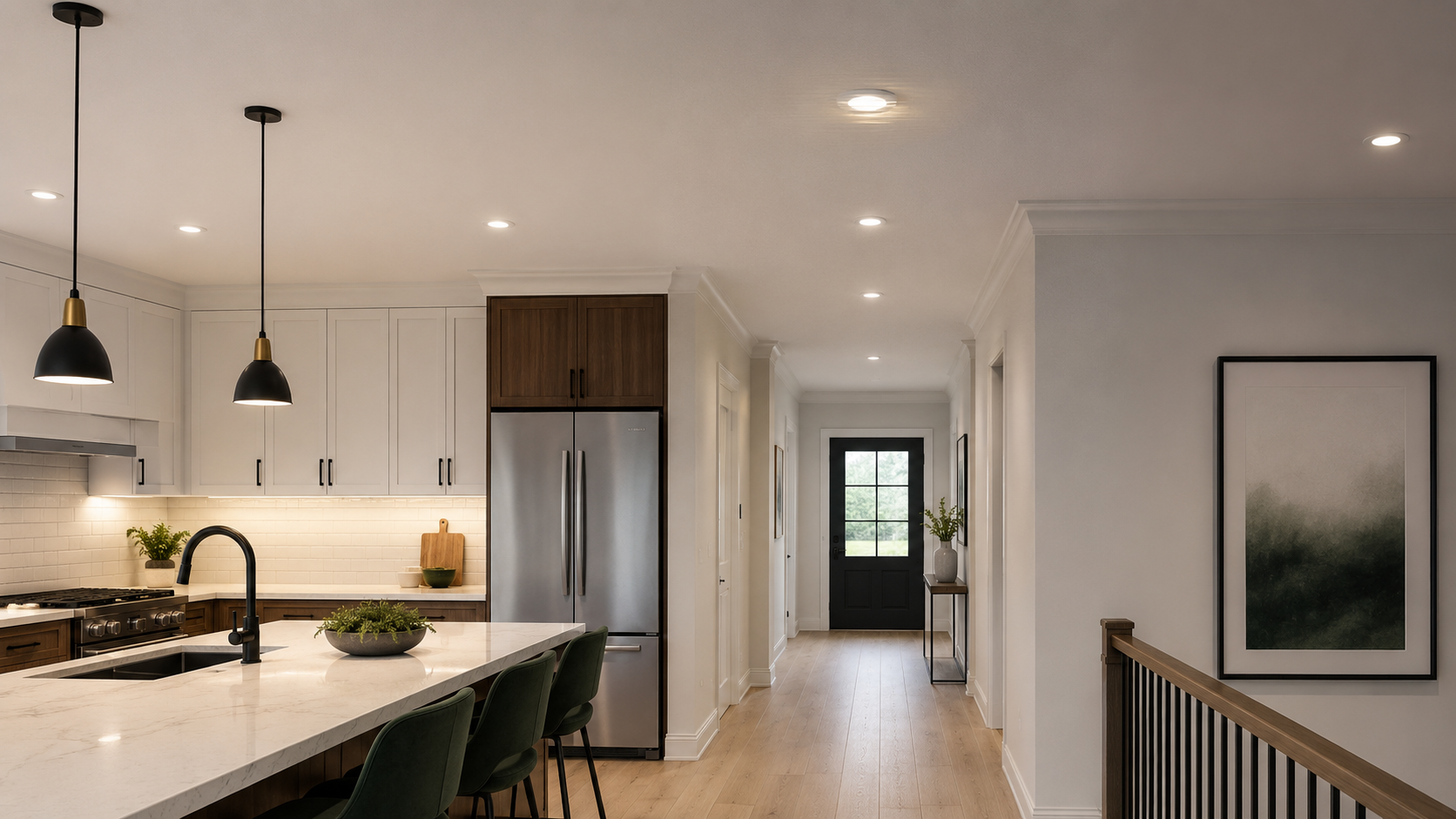
Flickering lights can seem like a small problem. Sometimes they are. A loose bulb, an old dimmer, or a weak fixture connection can make one light blink. But repeated flickering tells you something changed inside your electrical system.
If your lights dim when an appliance starts, flicker across several rooms, buzz near a switch, or pulse at random, take it seriously. Electrical problems often start with small warning signs. Flickering lights sit near the top of that list.
This guide explains the most common causes, the checks you can do safely, and the moment you should call a licensed electrician.
What Causes Lights to Flicker in Your House
Lights flicker when the flow of electricity changes. That change can start at the bulb, the fixture, the switch, the circuit, the breaker, the panel, or the utility connection. The pattern tells you where to look first.
One Light Versus Several Lights
One flickering light usually points to a local issue. Several flickering lights point to a circuit, a panel, or a service problem. Note which rooms flicker and what runs at the time. That single detail saves an electrician real diagnostic time.
Loose Bulb or Fixture Connection
A loose bulb creates a poor contact point. The light blinks when the fixture moves, when the room vibrates, or when the bulb heats up. Turn the switch off. Let the bulb cool. Tighten it gently. If the flicker stops, you found the cause.
If the flicker returns, the socket, the fixture, or the wiring shows wear. Do not keep cranking the bulb harder. A worn socket can arc, and arcing creates heat. Call an electrician if you notice a crackling sound, a burning smell, a hot switch plate, a black mark near the socket, or flickering that continues after you replace the bulb. You can read more on our residential electrical services page.
Why Your Lights Dim When an Appliance Turns On
Many homeowners notice the same thing. The lights dip for a second when the furnace, the air conditioner, the microwave, the vacuum, the fridge, or the washer starts. Motors pull extra current at startup, and your lights react to that quick draw. A single dip is normal. Frequent dimming and heavy flickering point to a bigger problem.
Overloaded Circuit
An overloaded circuit carries more demand than it should. Older homes often run circuits that now support modern loads they were never built for. You likely have an overloaded circuit if your lights dim every time you use a microwave or vacuum, a breaker trips often, outlets feel warm, you rely on extension cords every day, or several rooms lose power at once.
Do not keep resetting a breaker that trips. A breaker trips to protect the wiring. If it trips again, the circuit needs attention. We can inspect the circuit and recommend the right fix through our residential electrical services.
Appliances That Need a Dedicated Circuit
Some appliances need their own circuit. Air conditioners, EV chargers, sump pumps, hot tubs, washers, dryers, and large kitchen appliances place heavy demand on shared circuits. If your lights flicker only when one appliance runs, that appliance may need a dedicated circuit, or the existing circuit may need repair. This matters more as homes add higher demand equipment. If the flickering started after a new charger or appliance install, book a licensed inspection. For charger work, see our EV charger installation page.
When Flickering Lights Become a Safety Risk
Treat random flickering seriously when it affects more than one light or one room. That pattern often points beyond the bulb and into the wiring.
The numbers back this up. The Electrical Safety Authority reports that 143 electrical related fatalities occurred in Ontario between 2015 and 2024, and most electrical injury cases happen at home. In its 2024 Ontario Electrical Safety Report, the ESA also found that electrical fatalities outside of work rose 40 percent over the past decade, even as workplace deaths fell.
Patience Cathcart, the ESA Public Safety Officer, said the findings show why safety has to extend well beyond job sites, and that the agency stays committed to "educating the public, guiding industry."
There is good news too. The ESA found that fires linked to electrical distribution equipment such as panels and breakers dropped 18 percent when comparing 2019 and 2023, which shows that timely repairs and modern equipment work. In the United States, the National Fire Protection Association links most home electrical fires to wiring and related equipment, which is exactly why electricians treat flickering as an early warning.
Loose Electrical Connections and Arcing
A loose connection interrupts the flow of electricity and can arc. Arcing happens when electricity jumps across a gap, and that jump creates heat. Loose connections often show up as flickering when you touch a switch, buzzing near an outlet, lights that pulse for no clear reason, a warm outlet or switch plate, or a burning smell. Stop using the affected light or outlet the moment you notice heat, smell, smoke, or sparks. Turn off the breaker if you can find it safely. Then call a licensed electrician.
Old Fuse Box or Aging Panel
Older equipment can still work, but age raises risk. A fuse box, an outdated panel, or a damaged breaker can struggle with modern demand. Book a panel inspection if your panel uses fuses, your breakers trip often, lights flicker in several rooms, you see rust or moisture near the panel, the panel feels warm, or you hear buzzing from it. If you still run an older fuse setup, read about our fuse box replacement service. If a breaker panel causes the trouble, review our circuit breaker replacement page.
What You Can Check Safely and What to Leave Alone
You can run a few safe checks before you call. Keep them simple. Do not open outlets, switches, fixtures, junction boxes, or panels.
Safe Checks You Can Do Now
- Tighten the bulb after it cools.
- Swap in a known good bulb.
- Use an LED bulb rated for your dimmer.
- Note which rooms flicker.
- Note which appliance runs when the flicker starts.
- Check if the breaker trips.
- Watch for smells, sounds, heat, or sparks.
Write down the pattern. Tell the electrician something specific, such as the kitchen lights flicker when the microwave starts, the basement lights flicker when the furnace kicks on, or the lights flicker and the breaker trips. That detail points the inspection straight at the cause.
When to Stop Using the Circuit
Stop using the affected light, outlet, or circuit when you notice a burning smell, smoke, sparks, buzzing from a switch or panel, a hot outlet cover, a hot switch plate, flickering across several rooms, a breaker that trips more than once, or lights that brighten and dim at random. Call a licensed electrician right away. If you see smoke or active fire, call emergency services first.
When Flickering Points to a Panel or Utility Problem
Some flickering starts outside the light circuit. The main panel, the service connection, the meter base, or the utility feed can create flickering across the whole home.
Breaker Panel Problems
A breaker panel distributes power through your home. When a breaker wears out, a connection loosens, or the panel overheats, your lights flicker. Panel related warning signs include flickering in several rooms, breakers that trip often, breakers that will not reset, buzzing near the panel, a warm panel cover, rust or moisture near the panel, and a burning smell. Panels protect the wiring in your home. When the panel fails, the rest of the system loses its protection. We inspect the panel, test the circuits, and replace faulty breakers through our circuit breaker replacement service.
Loose Neutral and Utility Service Issues
You need fast help when lights brighten and dim throughout the house. That pattern can point to a loose neutral connection. A loose neutral can damage appliances and create unsafe voltage swings. If your neighbours also see flickering, the problem may come from the utility side, so call your local utility and report it. Even then, do not assume the utility caused it. A licensed electrician can separate a home wiring fault from a service issue and tell you the next step.
Why You Should Hire a Licensed Electrician in Ontario
Electrical work carries real risk. You need the right licence, the right testing tools, and the right process. The ESA states that a Licensed Electrical Contractor is the only business you can legally hire to do electrical work in your Ontario home, and that contractor holds a 7 digit ECRA or ESA licence number. You can confirm a contractor through the ESA guide on hiring a licensed electrical contractor.
What a Licensed Electrician Checks
A licensed electrician inspects the bulbs and fixtures, the switches and dimmers, the outlets and device boxes, the circuit load, the breakers, the panel connections, the grounding and bonding, any signs of heat damage, old fuse equipment, and your appliance circuits. The goal stays simple. Find the cause, fix it safely, and stop the problem from coming back.
Why DIY Repairs Create Risk
DIY repairs often miss the cause. A homeowner replaces a switch while the real fault sits in a junction box or the panel, which leaves the hazard in place. Bad DIY work also creates insurance and inspection problems. The ESA warns that an insurer can deny a claim linked to work from an unlicensed contractor. If your lights flicker because of a loose connection, an overloaded circuit, a panel fault, or an old fuse box, call a licensed electrical contractor.
Flickering Lights FAQ
Why are my lights flickering in one room?
One room usually points to a local issue. The cause may be a loose bulb, a bad fixture, a worn switch, a dimmer mismatch, or a circuit problem in that room. If more than one fixture flickers, call an electrician.
Why do my lights flicker when my air conditioner turns on?
Your air conditioner draws extra power when the motor starts, so a quick dip can happen. Strong flickering, repeated dimming, or breaker trips mean the circuit needs an inspection.
Are flickering lights dangerous?
Flickering lights become dangerous when they happen often, affect several rooms, come with buzzing, produce heat, create sparks, or cause a burning smell. Stop using the circuit and call a licensed electrician.
Can a bad breaker cause lights to flicker?
Yes. A worn breaker, a loose panel connection, an overloaded circuit, or a panel fault can cause flickering. Do not open the panel yourself. Book an inspection.
Can LED lights flicker because of a dimmer?
Yes. Many LED bulbs flicker when paired with an older dimmer. Use LED rated bulbs and an LED compatible dimmer. If the flicker continues, the fixture or wiring may need repair.
Should I call an electrician for flickering lights?
Call an electrician when flickering repeats, affects more than one room, happens with appliance use, trips breakers, or comes with heat, smell, sound, or sparks.
The Bottom Line on Flickering Lights
Flickering lights tell you something changed in your electrical system. A loose bulb stays easy to fix. Repeated flickering points to a deeper issue. Watch the pattern. One fixture often means a bulb or fixture problem. Several rooms often mean a circuit, breaker, panel, service, or wiring problem. Never ignore buzzing, heat, burning smells, sparks, or repeated breaker trips.
Worried about flickering lights in your home?
Kolji Bros. Electrical helps homeowners and businesses across the GTA find the cause safely. We inspect fixtures, switches, circuits, breakers, panels, and old fuse equipment. Then we explain the repair in plain English.