

Aluminum Wiring: Risks in Older Homes and What to Do
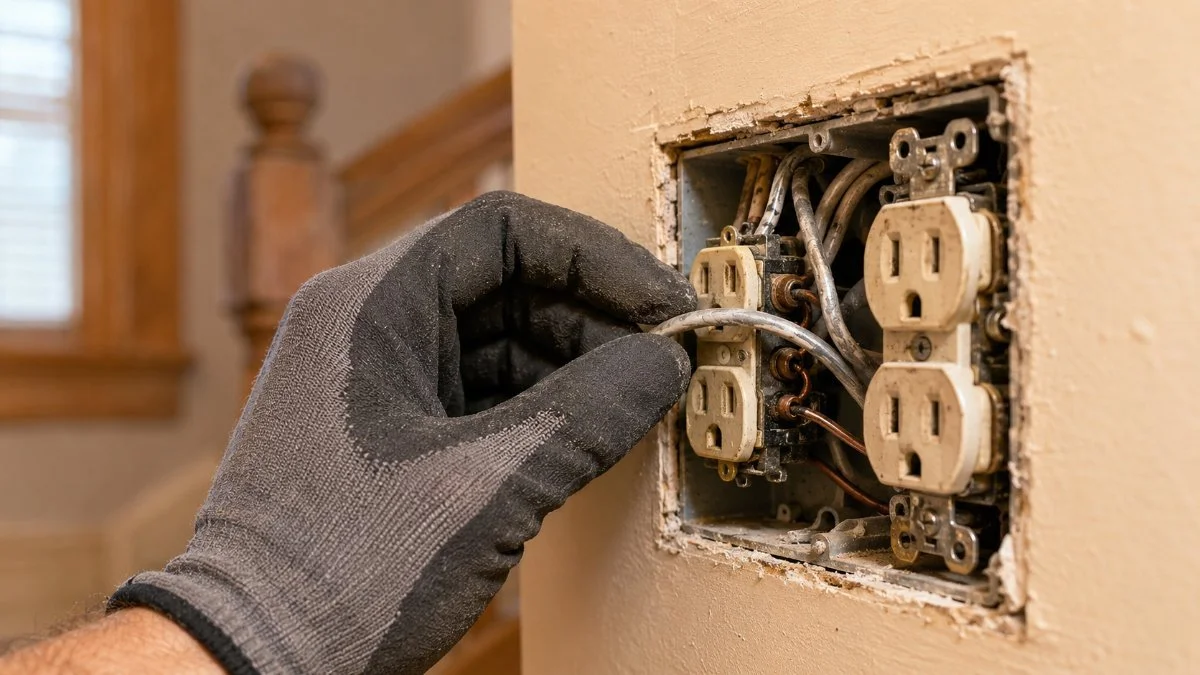
If your home was built or rewired between the mid 1960s and the late 1970s, it may have aluminum wiring. It was cheap and common at the time. Decades later, it is a known fire risk that insurers and inspectors watch for.
Aluminum wiring is not an instant emergency, but it needs attention. This guide explains why it is risky, the warning signs, and the safe ways to fix it.
Why Homes Have Aluminum Wiring
During the 1960s and 1970s, copper prices spiked, so builders switched to aluminum for branch circuit wiring. It carried current fine. The trouble shows up at the connections, where aluminum behaves differently from copper.
Why Aluminum Wiring Is a Risk
The metal itself is not the core problem. The connections are.
Expansion and Loosening
Aluminum expands and contracts more than copper as it heats and cools. Over many cycles, that movement loosens the connection at outlets, switches, and panels. A loose connection has resistance, and resistance creates heat.
Oxidation
Aluminum forms an oxide layer when exposed to air. That layer resists current flow, which adds more heat at the connection. Copper does not have this problem to the same degree.
Heat at the Connection
Loose, oxidized connections are the danger. They heat up at outlets and switches, and that heat can scorch the device and ignite nearby material. If you smell burning, read our guide on an electrical burning smell.
Warning Signs to Watch For
- Warm or discoloured outlet and switch covers.
- A burning or hot plastic smell near outlets.
- Flickering lights with no other cause. See our flickering lights guide.
- Outlets or switches that stop working.
- A faint buzzing at a switch or outlet.
If you notice any of these in a home from that era, do not wait. Have a licensed electrician inspect the connections.
How to Fix Aluminum Wiring
You do not always have to rip out every wire. Two accepted repair methods exist, and a licensed electrician picks the right one.
Pigtailing With Approved Connectors
An electrician attaches a short copper wire to the aluminum using an approved connector rated for the job, then connects the copper to the device. Done correctly with the right connectors, this addresses the connection problem at each device. The method and materials matter, which is why this is electrician work.
Full Rewire
In some homes, replacing the aluminum branch wiring with copper is the better long term fix, especially during a renovation. It costs more but removes the issue entirely. Older homes with aluminum often have an aging panel too, so our fuse box replacement and residential electrical services often go together.
Aluminum Wiring and Insurance
Like knob and tube, aluminum wiring can affect coverage. Some insurers require an inspection or a documented repair before they write or renew a policy. If you are buying an older home, factor this in. Our guide on knob and tube wiring covers a related older home concern.
The safety stakes are real. The Electrical Safety Authority links 143 electrical related fatalities in Ontario between 2015 and 2024, and its 2024 Ontario Electrical Safety Report found that electrical fatalities outside of work rose 40 percent over the past decade.
Patience Cathcart, the ESA Public Safety Officer, said the findings show why safety has to reach beyond job sites, and that the agency stays focused on "educating the public, guiding industry."
Why You Need a Licensed Electrician
Aluminum repairs depend on the right approved connectors and proper technique. A wrong connector can make the problem worse. In Ontario, the ESA states that a Licensed Electrical Contractor is the only business you can legally hire for this work, and the repair should be permitted and inspected.
Aluminum Wiring FAQ
Is aluminum wiring dangerous?
The wire itself is not the main issue. Loose, oxidized connections at outlets and switches overheat, which creates a fire risk. Proper repairs make the system safe.
Do I have to replace aluminum wiring?
Not always. Pigtailing with approved connectors can fix the connection problem. A full rewire is sometimes better, especially during a renovation. An electrician advises which fits.
How do I know if my home has aluminum wiring?
Homes built or rewired from the mid 1960s to late 1970s may have it. An electrician can confirm by checking the wiring at the panel and devices.
Does aluminum wiring affect insurance?
It can. Some insurers require an inspection or a documented repair before coverage. Addressing it usually resolves the issue.
Can I repair aluminum wiring myself?
No. The repair needs specific approved connectors and proper technique, and in Ontario it must be done by a Licensed Electrical Contractor.
The Bottom Line
Aluminum wiring is a connection problem, not a lost cause. Loose, oxidized joints overheat, so the fix targets the connections through approved pigtailing or a rewire. If your home is from that era, get a licensed electrician to inspect it, especially if you see any warning signs.
Worried about aluminum wiring?
Kolji Bros. Electrical inspects and repairs aluminum wiring safely for older homes across the GTA. Call 1 866 565 5427 or book online.