

Heat Pump Electrical Requirements in Ontario
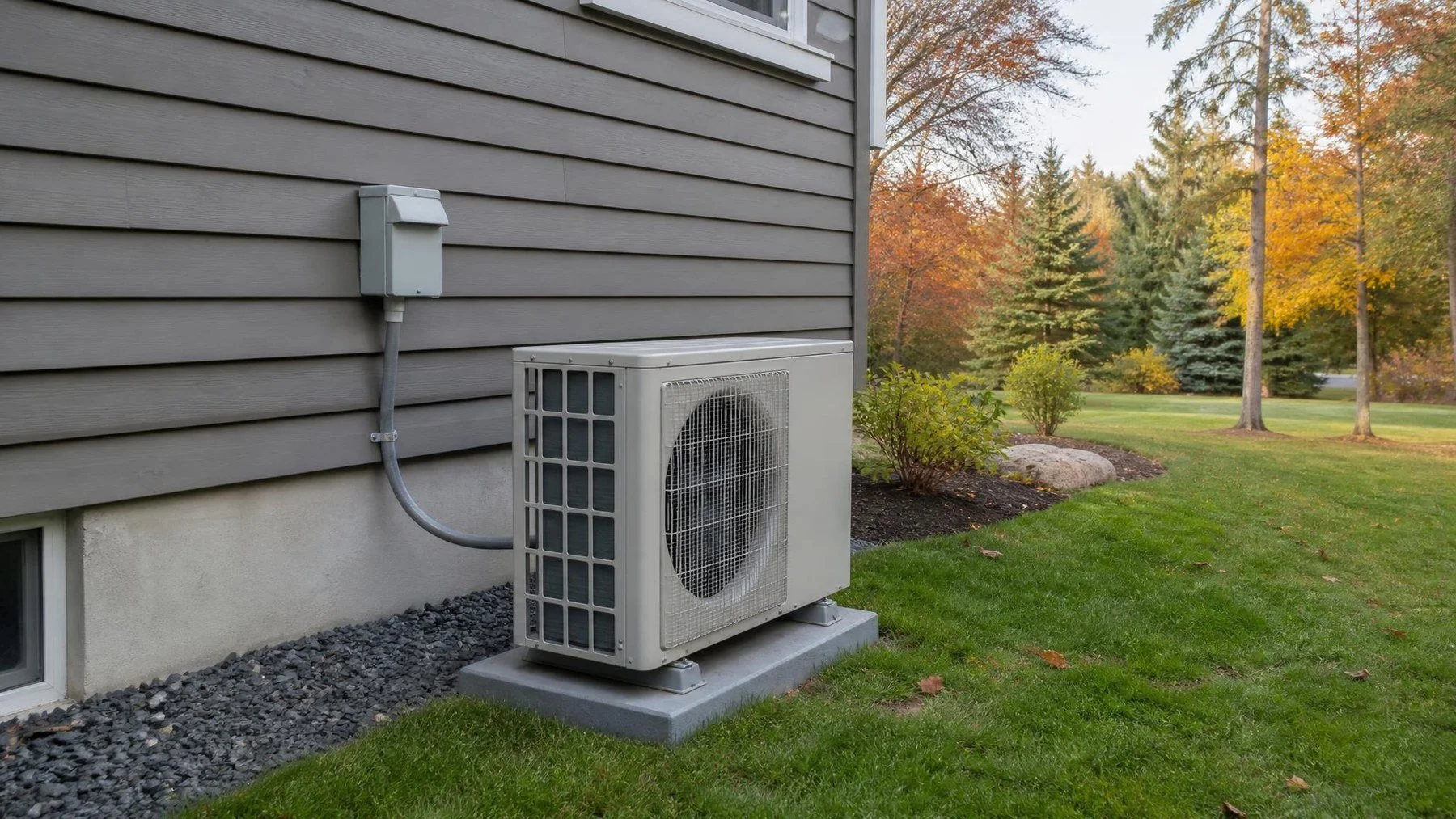
The outdoor unit's location sets the length and route of its electrical supply, so settle it with your heating contractor first.
A heat pump heats and cools your home with electricity. That makes it one of the largest loads many Ontario homeowners will ever add. The words "heat pump" alone do not tell an electrician what your home needs. The exact equipment, the backup heat, and the rest of your electrical load do.
Toronto and GTA homeowners often add a heat pump to replace an old air conditioner, to cut gas use, or during a larger renovation. In an older house, the panel may already carry a range, a dryer, and perhaps an EV charger. The electrical review needs to happen before the equipment is ordered, not on installation day.
This guide explains what the electrical side of a heat pump project involves, how backup heat changes the picture, what to check safely, and who does which part of the work.
Why Heat Pumps Matter for Your Electrical System
Heating is the biggest energy job in most Canadian homes. Natural Resources Canada's heat pump guide notes that nearly two thirds of the energy consumed in Canadian homes goes to heating and cooling. Moving that job from gas to electricity shifts a large share of your home's energy onto your electrical service.
The Model Sets the Requirements
Ask your heating contractor for the model numbers and installation manuals for the outdoor unit, the indoor unit or air handler, and any electric backup heat. The electrician sizes the supply, protection, and disconnect from that data. Two heat pumps with similar heating output can have different electrical needs.
Sizing Comes Before Wiring
NRCan recommends that a heating and cooling professional size the system, using a recognized method such as CSA F280. It explains that an undersized heat pump leans on its supplemental heat more often, while an oversized one cycles on and off in mild weather. Either result affects how much electricity your home draws. Get the sizing right, then plan the wiring.
Backup Heat Can Change the Electrical Picture
Air source heat pumps lose capacity as it gets colder. NRCan states that newer models have a minimum operating temperature of about 15°C to 25°C below zero. Below that point, a supplemental system must heat the home.
Electric Backup Versus a Hybrid System
NRCan describes two common setups. In one, electric resistance elements in the ductwork or electric baseboards supplement the heat pump. Those elements work at any outdoor temperature, but they use more electricity than the heat pump itself. In a hybrid system, a furnace or boiler provides the backup. If you choose electric backup, the load review has to include it, because the backup often runs on the coldest days when the rest of the house also uses the most power.
Set Points That Protect Your Bill
With electric supplemental heat, NRCan recommends setting the backup 2°C to 3°C below the heat pump's set point, so the heat pump does most of the work. Ask your installer to set this up and show you the thermostat settings.
Review the Panel and Service With Every Major Load
NRCan notes that a new heat pump can require changes to ductwork or electrical services in some cases. Your electrician answers that question with a load review. The review looks at your service size, the panel's condition and space, and every large load you have or plan to add.
Loads to List for the Review
- The heat pump outdoor unit and indoor air handler.
- Any electric backup heat, baseboards, or in floor heating.
- The range, dryer, and water heater, if they are electric.
- An EV charger, now or planned.
- A hot tub, pool equipment, or workshop.
If the review shows the service or panel is near its limit, you may need panel work or a larger service. Our guide to 100 amp vs 200 amp service explains the difference, and our electrical panel upgrade page covers the options. Settle this before the heat pump arrives.
Older Panels and Fuse Boxes
If your home still has a fuse panel or a very old breaker panel, bring it up at the start. A heat pump is a good reason to review whether the panel should be replaced first. Our comparison of a fuse box vs breaker panel explains why.
Plan the Route and the Disconnect
The outdoor unit sits outside, often at the side or back of the house. The supply has to travel from the panel to that spot, through basements, walls, or along the exterior.
Where the Supply Runs
Confirm the outdoor unit location with your heating contractor. Then ask the electrician to trace the route and name any finished ceilings or walls that need openings. Agree on who makes and repairs those openings. If the heat pump is part of a renovation, run the supply while walls are open.
The Disconnect Near the Unit
Outdoor heating and cooling equipment needs a disconnect so a technician can shut off power safely while servicing it. Your electrician places it where the Code and the equipment manual require, and where it will not block service access or a walkway.
Coordinate the Heating and Electrical Trades
Many heat pump problems at startup come from two trades working from different information. One shared equipment list and one schedule fix most of that.
Ductwork Changes Can Move Equipment
NRCan points out that heat pumps generally run at higher airflows than furnaces, so some homes need ductwork changes to avoid extra noise and fan energy. If the air handler or its location changes, the electrical supply to it changes too. Ask your heating contractor to confirm the final indoor equipment before the electrician prices the job.
Commissioning and Handover
- Confirm the final model numbers for every powered component.
- Complete the electrical work and its ESA inspection stages.
- Have the heating contractor start up and test the system.
- Check the thermostat settings for the heat pump and the backup heat.
- Collect the manuals, the panel label update, and the Certificate of Acceptance.
Safe Checks Before Your Heat Pump Project
You can gather useful facts for your electrician without opening anything.
What You Can Note
- Take a photo of the closed panel and any label on the outside of its door.
- List every electric appliance and heater in the house.
- Note where the old air conditioner sits and whether the new unit will go there.
- Check that snow and debris will not block the proposed outdoor unit location.
- Note any breaker that trips when the air conditioner or furnace starts.
When the Outdoor Unit or Panel Needs a Look
Call a licensed electrician if the existing air conditioner disconnect is rusted or damaged, you smell burning near the panel or the outdoor unit, a breaker trips repeatedly when heating or cooling starts, or lights dim sharply every time the system runs. Keep children and pets away from damaged outdoor equipment.
Who Does What on a Heat Pump Installation
A heat pump project usually involves two trades. The heating contractor sizes, installs, and commissions the equipment. The electrical work falls under Ontario's electrical rules.
The Electrical Rule
ESA states that if you hire someone to do electrical work in your home, that person must be a Licensed Electrical Contractor who files an ESA notification. Homeowners may do their own electrical work in a home they own and live in, with their own notification. A heat pump supply often involves the panel, so professional installation is recommended. Ask who holds the notification for the electrical part and check that contractor's licence number with ESA.
Approved Equipment
NRCan notes that the Canadian Standards Association verifies heat pumps for electrical safety. Buy equipment that carries a recognized Canadian certification mark, especially if you shop online.
What Drives the Electrical Cost in Toronto
In Toronto, the electrical cost of a heat pump depends on the equipment and backup heat, the distance from the panel to the outdoor unit, the panel's space and condition, whether the service needs an upgrade, and how much finished surface the route crosses. Contact Kolji Bros. Electrical for an assessment and a written quote.
Heat Pump Electrical FAQ
Do I need a panel upgrade for a heat pump?
Not always. It depends on your service, the panel, the heat pump model, the backup heat, and your other large loads. A load review answers it.
Does electric backup heat need its own circuit?
Electric resistance backup is a separate load that the electrician must plan for. The equipment manual sets its supply requirements.
How cold can it get before a heat pump needs backup?
NRCan says newer air source models have a minimum operating temperature of about 15°C to 25°C below zero. Below that, a supplemental system heats the home.
Can I reuse my old air conditioner wiring?
Sometimes, if it matches the new unit's requirements and is in good condition. Your electrician checks it against the heat pump's installation manual.
Can a heat pump replace my central air conditioner?
Yes. A heat pump also cools, and NRCan notes that a hybrid setup works well when a heat pump replaces a central air conditioner and an existing furnace stays as backup.
Does a heat pump need an outdoor disconnect?
Yes. Outdoor units need a disconnect so they can be serviced safely. Your electrician places it where the Code and the manual require.
Who files the ESA notification for a heat pump?
The person doing the electrical work files it. When you hire the work, that is your Licensed Electrical Contractor.
The Bottom Line on Heat Pump Wiring
A heat pump's electrical needs come from the exact equipment, the backup heat, and everything else your home already runs. Size the system first, decide the backup, have the panel and service reviewed with every major load, and plan the route and disconnect before installation day. Then the heat pump can do its job through an Ontario winter without straining your electrical system.
Switching to a heat pump?
Kolji Bros. Electrical reviews your heat pump model, backup heat, and panel, then plans the supply, disconnect, and any service work before your installer arrives. We serve homeowners across Toronto and the GTA.
Kolji Bros. Electrical is a Licensed Electrical Contractor, ECRA/ESA #7015453.