

Electrical Rough In Inspection in Ontario: What to Expect
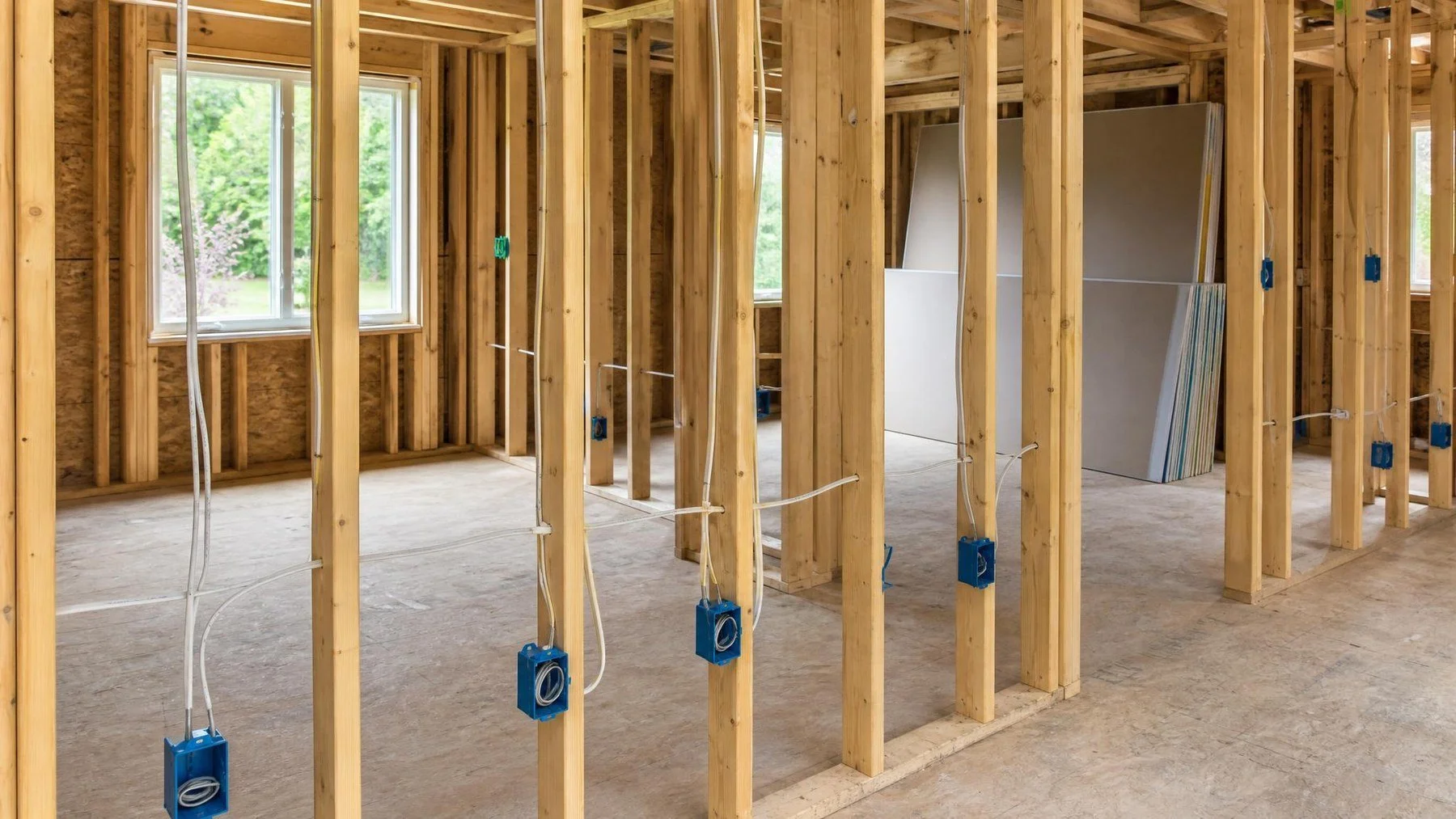
At rough in, cables and device boxes stay exposed so the work can be reviewed before insulation and drywall hide it.
A rough in inspection is the moment your new wiring gets checked while you can still see it. The cables are pulled, the boxes are mounted, and nothing is covered yet. Once insulation and drywall go up, the same wiring disappears for decades.
For a Toronto or GTA renovation, this step sets the pace for the whole job. Your drywaller, insulator, and cabinet installer all wait on it. A missed or rushed inspection can mean opening finished walls later, which costs time and patience.
This guide explains what the Electrical Safety Authority looks at, who books the inspection, what you can check yourself without touching any wiring, and what happens if the inspector finds a problem.
What an Ontario Rough In Inspection Covers
ESA describes several inspection stages for residential work. Its page on preparing for your inspection says the rough in inspection takes place when all branch circuit wiring and outlet boxes are installed and before any wiring is concealed. A service inspection covers new service equipment, an underground inspection covers buried cables before backfill, and a final inspection follows completion.
What Stays Visible for the Inspector
At rough in, the inspector can see how cables run through studs and joists, how they are supported, how they enter boxes, and where each box sits. Those details are hard or impossible to review once the walls close. That is why the timing matters so much.
What the Inspection Does Not Replace
ESA notes that its inspections are limited to the installation described in the notification, and that an inspector may look at all or only some elements. ESA can also accept some installations without an on site visit. None of this shifts responsibility away from the contractor, who still has to meet the Ontario Electrical Safety Code across the whole job.
Who Files the Notification and Books the Inspection
ESA requires almost all electrical work in Ontario to be reported through a notification, often called a permit, before the work starts. The notification creates a permanent record and starts the review process.
When You Hire the Work
If you hire someone to do electrical work in your home, Ontario law says that person must be a Licensed Electrical Contractor. The contractor files the notification and requests the inspections. Ask for the notification number early and put the inspection stages on the renovation calendar. For more on how notifications work, read our guide on whether you need an ESA permit.
When a General Contractor Runs the Job
Many renovations run through a general contractor who hires the trades. ESA's guidance on working with general contractors says the electrical work needs its own permit, separate from your building permit. Ask your builder which licensed electrical contractor holds the notification, and ask to see its licence number.
Get the Room Plan Settled Before the Rough In
A rough in can only reflect the decisions already made. If the kitchen layout, bathroom vanity, or lighting plan changes after the boxes go in, the wiring changes too. Late changes can push the inspection back and leave other trades waiting.
Decisions to Finish Before Wiring Starts
- Final appliance models and their locations.
- Cabinet drawings, including islands and tall units.
- Light fixture positions and which switches control them.
- Heating, cooling, and ventilation equipment locations.
- Smoke and carbon monoxide alarm locations.
- Any future equipment you want a route for, such as an EV charger.
A broader walk through of these choices is in our electrical renovation planning guide.
A Walk Through You Can Do Before Inspection Day
You can help the inspection go smoothly without touching a single wire. Your job is to compare what you see with what you asked for, and to keep the site ready.
Safe Checks for Homeowners
- Walk each room with your latest plan and confirm a box sits where you expect each switch, outlet, and light.
- Check that no insulation, vapour barrier, or drywall covers the electrical work yet.
- Clear a path to the panel and every room being inspected.
- Make sure no other trade has scheduled wall closing before the inspection date.
- Write down any box you think is in the wrong place and ask your electrician, rather than moving anything yourself.
Do not open boxes, pull on cables, or connect anything. Exposed wiring on a job site can still be live, even when it looks unfinished.
Signs to Stop and Call Your Electrician
Call your electrician right away if you smell burning or hot plastic, see a cable that has been nailed, cut, or crushed by another trade, notice water near exposed wiring, or find temporary lighting or power cords running through wet areas. Keep people away from the area until the electrician confirms it is safe.
Fit the Inspection Into Your Renovation Schedule
The rough in inspection sits in the middle of the job. Framing, plumbing, ductwork, and wiring all happen in the same open walls, so the order matters.
A Typical Sequence
- Framing and structural changes finish first.
- Plumbing and ductwork go in, because they need the most space in the walls and ceilings.
- Electrical rough in follows, routed around those services.
- The rough in inspection stage clears.
- Insulation, vapour barrier, and drywall go up.
- Devices, fixtures, and the final inspection come last.
Your municipal building inspections for framing and insulation run on their own track. Ask your builder how the two sets of inspections line up, so one trade does not close a wall the other still needs to see.
Common Reasons a Rough In Gets Delayed
Many delays start with a change. A new appliance with different electrical needs, an island that moved, or an extra pot light added the week before can all send the electrician back into the walls. Another trade can also damage a cable while working nearby. Settle your choices early, keep other trades clear of finished wiring, and tell your electrician the moment a plan changes.
What Happens After the Inspection
If the work meets the Code, your contractor gets the go ahead to continue and the renovation can move on to insulation and drywall.
If the Inspector Issues a Defect Notice
ESA explains that an inspector issues a defect notice when work does not meet the Ontario Electrical Safety Code. Treat it as a to do list. Keep the affected walls open, let your electrician make the correction, and wait for the contractor to confirm the item is cleared. Do not let another trade cover the work in the meantime.
Keep a Record of Changes
Write down every change made during rough in, who approved it, and why. Take photos of each open wall before it closes, with a note of the room and direction. Those photos help any electrician who works on your home later, and they help at the final inspection.
Why Inspections Matter in Ontario Homes
Ontario's safety data shows why checking work before it disappears is worth the wait. ESA's 25th Ontario Electrical Safety Report, released in September 2026, found that electrical injuries presenting at Ontario emergency departments increased 23 percent between 2015 and 2024. The same report notes that risk is shifting from the workplace toward everyday life and homes.
Wiring inside a finished wall is hard to review. A rough in inspection is one of the few chances to check it in plain sight.
What to Expect From a Licensed Electrical Contractor
When the work is hired, the contractor handles the paperwork and the Code. Before the first cable goes in, ask for the contractor's seven digit ECRA/ESA number. It proves the business can contract electrical work in Ontario. You can check any contractor's licence number with ESA before you sign.
What Your Contractor Should Tell You
- The notification number and the inspection stages that apply.
- Which date the rough in work will be ready.
- Which areas must stay open until the inspection clears.
- How any defect will be corrected and confirmed.
Homeowners may do electrical work in a home they own and live in, but they must file their own ESA notification and pass the same inspections. For work spread across several rooms, professional installation is recommended. Our electrical wiring installation team plans the rough in around your renovation schedule.
The Certificate at the End
When the work passes review, ESA issues a Certificate of Acceptance to the person who filed the notification. It confirms the work met the Code, so ask your contractor for a copy and file it with your renovation records.
Rough In Inspection FAQ
When does the electrical rough in inspection happen?
After all branch circuit wiring and outlet boxes are installed and before any wiring is concealed by insulation, vapour barrier, or drywall.
Who books the rough in inspection in Ontario?
The person who filed the ESA notification requests the inspection. When you hire the work, that is your Licensed Electrical Contractor.
Is a building permit the same as an ESA notification?
No. ESA says a building permit and an electrical notification are separate, and a renovation may need both.
Can the drywall go up before the inspection?
No. Keep insulation and drywall off the electrical work until your contractor confirms the rough in stage is cleared. Covering it early can mean opening the walls again.
What happens if the rough in fails?
The inspector issues a defect notice. Your electrician corrects the listed items, the walls stay open, and the contractor confirms the correction before other trades continue.
Do I get a document when the electrical work passes?
Yes. ESA issues a Certificate of Acceptance to the person who filed the notification. Ask your contractor for a copy for your insurance and resale records.
The Bottom Line on Your Rough In Inspection
The rough in inspection is your best chance to have new wiring checked while it is still in view. Settle the room plan first, keep the walls open until the stage clears, and let your licensed electrician handle the notification and any corrections. Photograph everything before it closes and keep the certificate with your records.
Planning a renovation with new wiring?
Kolji Bros. Electrical files the ESA notification, builds the rough in around your trades, and keeps you posted on every inspection stage. We work with homeowners across Toronto and the GTA.
Kolji Bros. Electrical is a Licensed Electrical Contractor, ECRA/ESA #7015453.