

Smoke Detector Installation: Placement and Ontario Rules
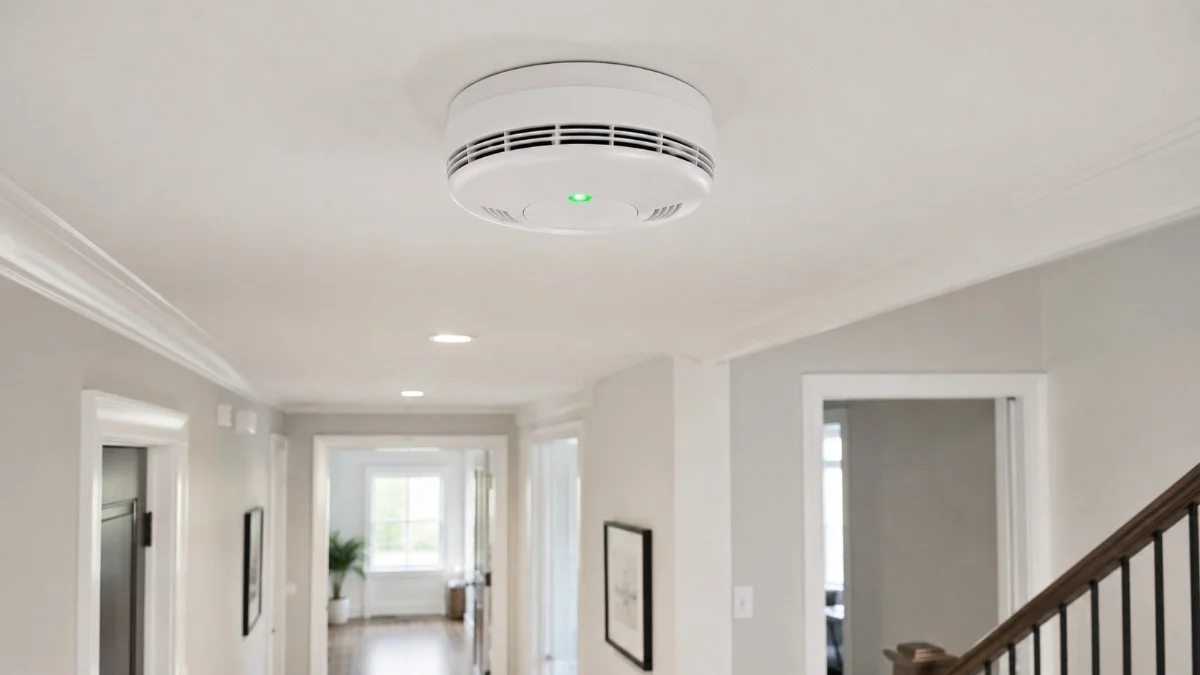
A working smoke alarm cuts your risk of dying in a home fire roughly in half. That is the simplest case for getting them right. The trouble is most people do not know how many they need, where to put them, or what Ontario law requires.
This guide covers the rules, the placement, and the choice between battery and hardwired alarms, so your home is both safe and code compliant.
What Ontario Law Requires
Ontario's Fire Code requires working smoke alarms on every storey of your home and outside all sleeping areas. This applies to every home, owned or rented. In rental units, the landlord must provide and maintain the alarms, and tampering with one is an offence.
Carbon monoxide alarms are also required near sleeping areas if your home has a fuel burning appliance, a fireplace, or an attached garage. Many homes combine both functions in one unit.
Storey and Bedroom Coverage
At a minimum, you need one alarm on each level, including the basement, and one outside each sleeping area. For better protection, add an alarm inside each bedroom. A finished basement, a long hallway, or a large home may need more.
Where to Place Smoke Alarms
Placement decides whether an alarm warns you in time. Smoke rises, so alarms go high.
- Mount on the ceiling, or high on a wall about 10 to 30 centimetres below the ceiling.
- Keep alarms away from corners, where air moves least.
- Place them outside bedrooms and at the top of stairways.
- Keep them clear of vents, fans, and drafts that blow smoke away.
Where Not to Place Them
Avoid spots that cause false alarms or weak detection. Keep alarms out of kitchens and away from bathrooms, where steam and cooking trigger them. Keep them clear of ceiling fans and air vents. A few feet of distance prevents nuisance trips that make people disable the alarm, which is the real danger.
Battery vs Hardwired Smoke Alarms
Two main types exist, and newer homes often require the hardwired kind.
Battery Alarms
Battery alarms are easy to install and work during a power outage. The catch is the battery. A dead or removed battery makes the alarm useless, which is why long life sealed 10 year battery models are now common.
Hardwired and Interconnected Alarms
Hardwired alarms connect to your home wiring with a battery backup. The big advantage is interconnection. When alarms are interconnected, one detecting smoke sets off every alarm in the home, so you hear it even if the fire starts far away. New construction and major renovations in Ontario generally require interconnected hardwired alarms. Installing or replacing these is electrician work through our residential electrical services.
Why Professional Installation Matters
Hardwired and interconnected alarms tie into your electrical system, so the wiring has to be done right. A poor connection in a ceiling can fail silently, which defeats the purpose of a life safety device. An electrician makes sure the alarms are wired, interconnected, and placed to code.
Electrical safety and fire safety overlap here. The Electrical Safety Authority links 143 electrical related fatalities in Ontario between 2015 and 2024, and its 2024 Ontario Electrical Safety Report found that electrical fatalities outside of work rose 40 percent over the past decade. Alarms are your early warning when an electrical fault turns into a fire. If you ever smell burning, read our guide on an electrical burning smell.
Patience Cathcart, the ESA Public Safety Officer, said the findings show why safety has to reach beyond job sites, and that the agency stays focused on "educating the public, guiding industry."
Maintenance and Replacement
Test every alarm monthly with the test button. Replace batteries in non sealed units yearly. Most important, replace the entire alarm every 10 years, because the sensor degrades even if the unit still beeps. Check the date printed on the back of each alarm.
Smoke Detector FAQ
How many smoke detectors do I need?
At a minimum, one on every storey including the basement and one outside each sleeping area. For better protection, add one inside each bedroom. Larger homes need more.
Are hardwired smoke detectors required in Ontario?
New construction and major renovations generally require interconnected hardwired alarms. Existing homes must have working alarms on every storey and outside sleeping areas at minimum.
Where should smoke detectors be placed?
On the ceiling or high on a wall, outside bedrooms, and at the top of stairs. Keep them away from kitchens, bathrooms, vents, and fans to avoid false alarms.
How often should I replace a smoke detector?
Replace the whole alarm every 10 years, because the sensor wears out. Test monthly and replace batteries yearly in non sealed units.
Can I install hardwired smoke detectors myself?
Hardwired and interconnected alarms tie into your wiring and should be installed by a licensed electrician to ensure they are wired and interconnected correctly.
The Bottom Line
Working smoke alarms on every storey and outside every sleeping area are the law in Ontario and the difference in a fire. Place them high, keep them clear of kitchens and vents, and replace them every 10 years. For hardwired interconnected alarms, use a licensed electrician so they work when it counts.
Need smoke alarms installed or upgraded?
Kolji Bros. Electrical installs hardwired, interconnected smoke and CO alarms to code across the GTA. Call 1 866 565 5427 or book online.